The brain and nervous system control every function in the body from movement and speech to memory and emotions.
When something goes wrong, the signs may seem small at first but can quickly progress if ignored. Recognizing early symptoms and seeking timely care from a neurologist can make a significant difference in treatment outcomes.
At Ruby Hall Clinic Hinjawadi, patients receive expert neurological evaluation and advanced care for a wide range of brain and nerve disorders.
What Does a Neurologist Treat?
A neurologist specializes in diagnosing and treating conditions related to the brain, spinal cord and nerves. These include disorders that affect movement, sensation, coordination and cognitive function.
Neurological conditions can vary from mild and manageable to serious and life-threatening, making early diagnosis extremely important.
Early Signs You Should Not Ignore
Many neurological disorders begin with subtle symptoms that are often overlooked. Paying attention to these early warning signs can help in getting timely treatment.
-
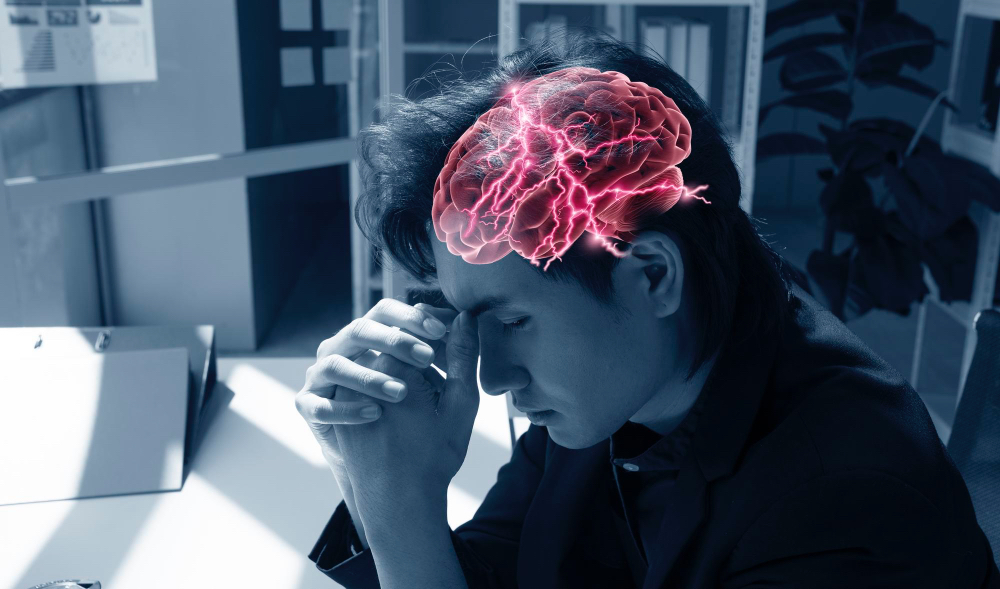
Persistent or severe headaches that do not improve with medication may indicate underlying neurological issues.
-
Frequent dizziness, loss of balance or difficulty walking can also point to problems in the brain or inner ear.
-
Numbness or tingling in the hands, feet or face may be a sign of nerve damage or conditions affecting the nervous system.
-
Sudden weakness in one part of the body, especially on one side, should be treated as an emergency as it could indicate a stroke.
-
Memory problems, confusion or difficulty concentrating can be early signs of neurological or cognitive disorders.
-
Changes in speech, vision or coordination should also not be ignored, as they may indicate issues in specific areas of the brain.
When Should You See a Neurologist?
You should consider consulting a neurologist if you experience symptoms that are persistent, worsening or unexplained.
Sudden onset of symptoms such as severe headache, seizures, loss of consciousness or weakness requires immediate medical attention. Chronic conditions like migraines, epilepsy, nerve pain or movement disorders also benefit from specialized neurological care.
Early consultation helps in accurate diagnosis and timely treatment, preventing further complications.
Common Neurological Conditions
Neurologists manage a wide range of conditions affecting the brain, spinal cord and nerves.
These include serious conditions such as stroke and epilepsy, as well as more commonly experienced issues like migraines and chronic headaches. They also treat progressive neurological disorders such as Parkinson’s disease and multiple sclerosis, along with nerve-related conditions like neuropathy.
In addition, neurologists diagnose and manage brain and spinal tumours, as well as cognitive disorders including Alzheimer’s disease and other forms of dementia.
Early detection of these conditions plays a crucial role in improving treatment outcomes and maintaining a better quality of life.
**Importance of Early Diagnosis**
Early diagnosis allows doctors to begin treatment before the condition worsens. In many neurological disorders, timely intervention can slow disease progression, reduce symptoms and improve long-term outcomes.
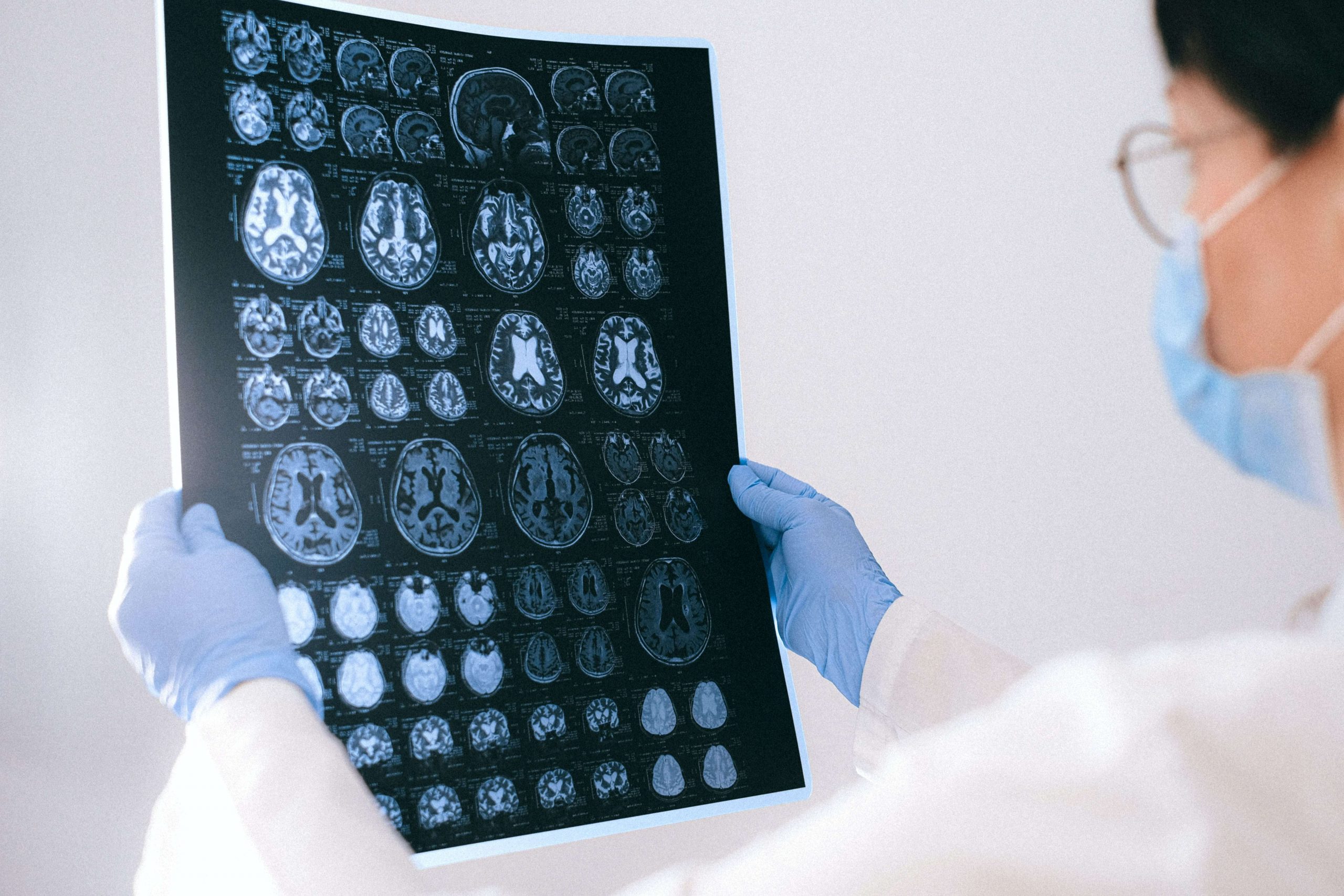
Advanced diagnostic tools such as MRI, CT scans and nerve conduction studies help identify problems accurately.
At Ruby Hall Clinic Hinjawadi, patients benefit from modern technology and experienced specialists who provide comprehensive neurological care.
Do Not Ignore the Signs
Neurological symptoms should never be ignored, even if they seem minor. What may start as occasional discomfort or mild changes can sometimes indicate a serious underlying condition.
Seeking medical advice early ensures timely diagnosis, effective treatment and better recovery. If you or your loved ones notice any unusual symptoms related to the brain or nerves, consulting a neurologist at the right time can make all the difference in protecting long-term health.