
Bone health is often one of the most overlooked areas of wellness. Many women focus on fitness, weight management and overall health, but bone strength rarely gets the same attention.
After the age of 35, bone density naturally begins to decline, making it important to take proactive steps to maintain strong and healthy bones.
At Ruby Hall Clinic Hinjawadi, early care and preventive strategies are encouraged to reduce the risk of bone-related conditions later in life.
Why Bone Health Changes After 35
During the early years of adulthood, the body continuously builds and maintains bone mass. However, after the mid-30s, this balance gradually shifts. Bone breakdown can begin to occur faster than bone formation, leading to a slow loss of bone density over time. While this process is natural, certain factors such as hormonal changes, lifestyle habits and nutritional deficiencies can accelerate it.
Women are particularly at risk due to hormonal fluctuations, especially as they approach menopause. A decline in estrogen levels plays a significant role in weakening bones, increasing the chances of developing osteoporosis and fractures in the future.
Common Risk Factors to Watch For
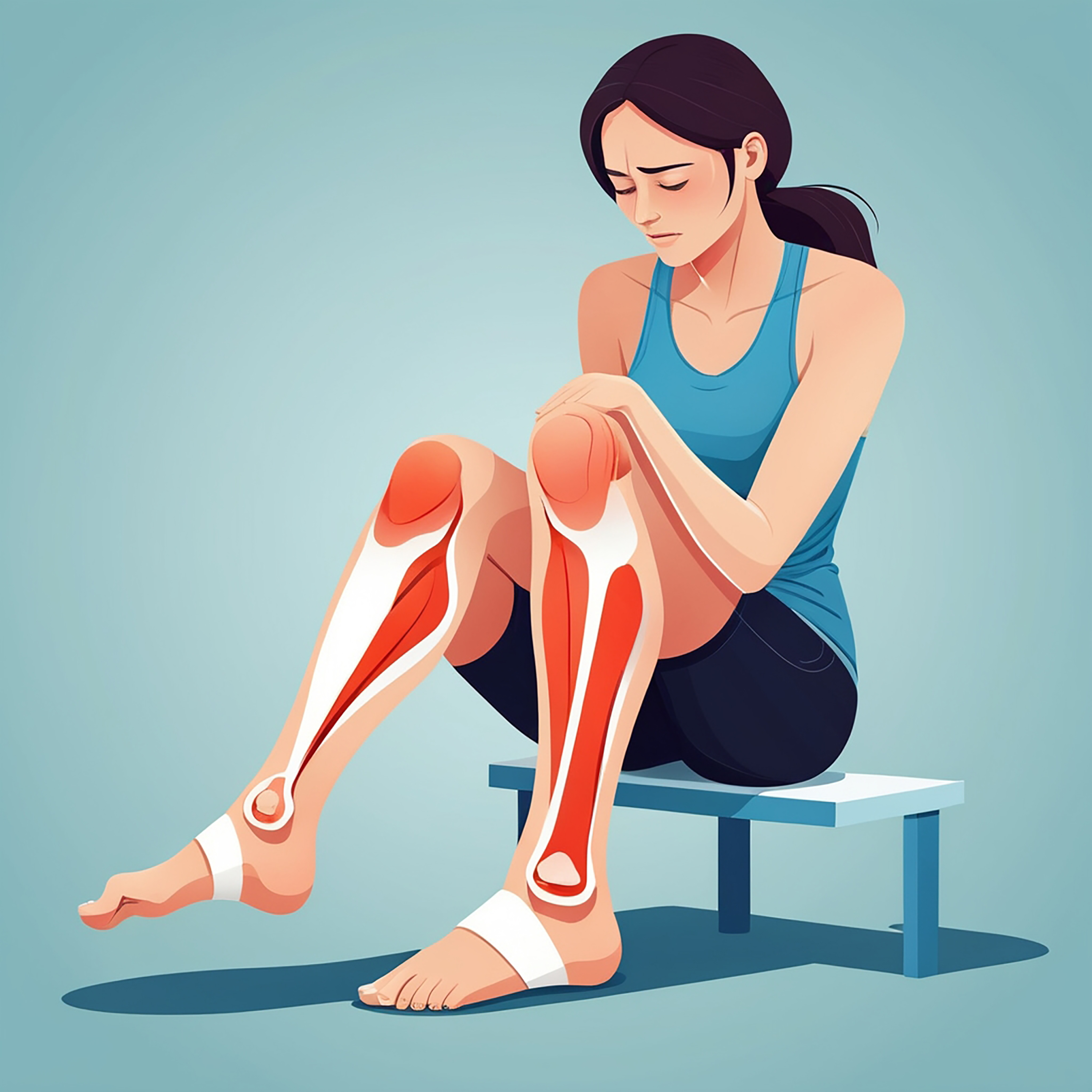
Several factors can increase the risk of poor bone health in women after 35. A sedentary lifestyle, lack of weight-bearing exercise and inadequate intake of calcium and vitamin D are among the most common causes. Smoking and excessive alcohol consumption can also weaken bone strength over time.
Medical conditions such as thyroid disorders or long-term use of certain medications may further impact bone density. Family history is another important factor, as genetics can influence how quickly bone loss occurs.
Early Signs You Should Not Ignore
Bone loss is often called a silent condition because it develops without obvious symptoms. However, certain early signs may indicate a problem. Frequent joint or back pain, a noticeable decrease in height or a tendency to experience fractures easily can all be warning signs of weakening bones.
Many women dismiss these symptoms as part of normal aging, but early evaluation can help identify underlying issues and prevent further deterioration.
The Importance of Early Screening
Early screening plays a key role in protecting and maintaining bone health.
Bone density tests help measure the strength of bones and identify conditions like osteopenia or osteoporosis before they become severe. These tests are simple, non-invasive and highly effective in assessing risk.
At Ruby Hall Clinic Hinjawadi, advanced diagnostic facilities and experienced specialists help women assess their bone health and take timely action. Early detection allows for better management through lifestyle changes, supplements or medical treatment if needed.
Simple Steps to Protect Your Bones
Maintaining bone health does not require drastic changes, but consistency is important. A balanced diet rich in calcium and vitamin D supports bone strength and helps prevent deficiencies. Foods such as dairy products, leafy greens and fortified foods are essential for daily nutrition.
Regular physical activity, especially weight-bearing exercises like walking, strength training or yoga, helps maintain bone density and improve overall strength. Exposure to sunlight also plays a role in supporting vitamin D levels.
In addition to lifestyle changes, regular health checkups and consultations with a doctor ensure that any issues are identified early and managed effectively.
Prioritizing Long-Term Bone Health
Bone health is a long-term investment that requires attention well before symptoms appear. Taking preventive steps after the age of 35 can significantly reduce the risk of fractures, osteoporosis and mobility issues later in life.
At Ruby Hall Clinic Hinjawadi, women are encouraged to prioritize their bone health through early screening, expert guidance and personalized care. By making small but consistent lifestyle changes and seeking timely medical advice, it is possible to maintain strong bones and an active, healthy life for years to come.