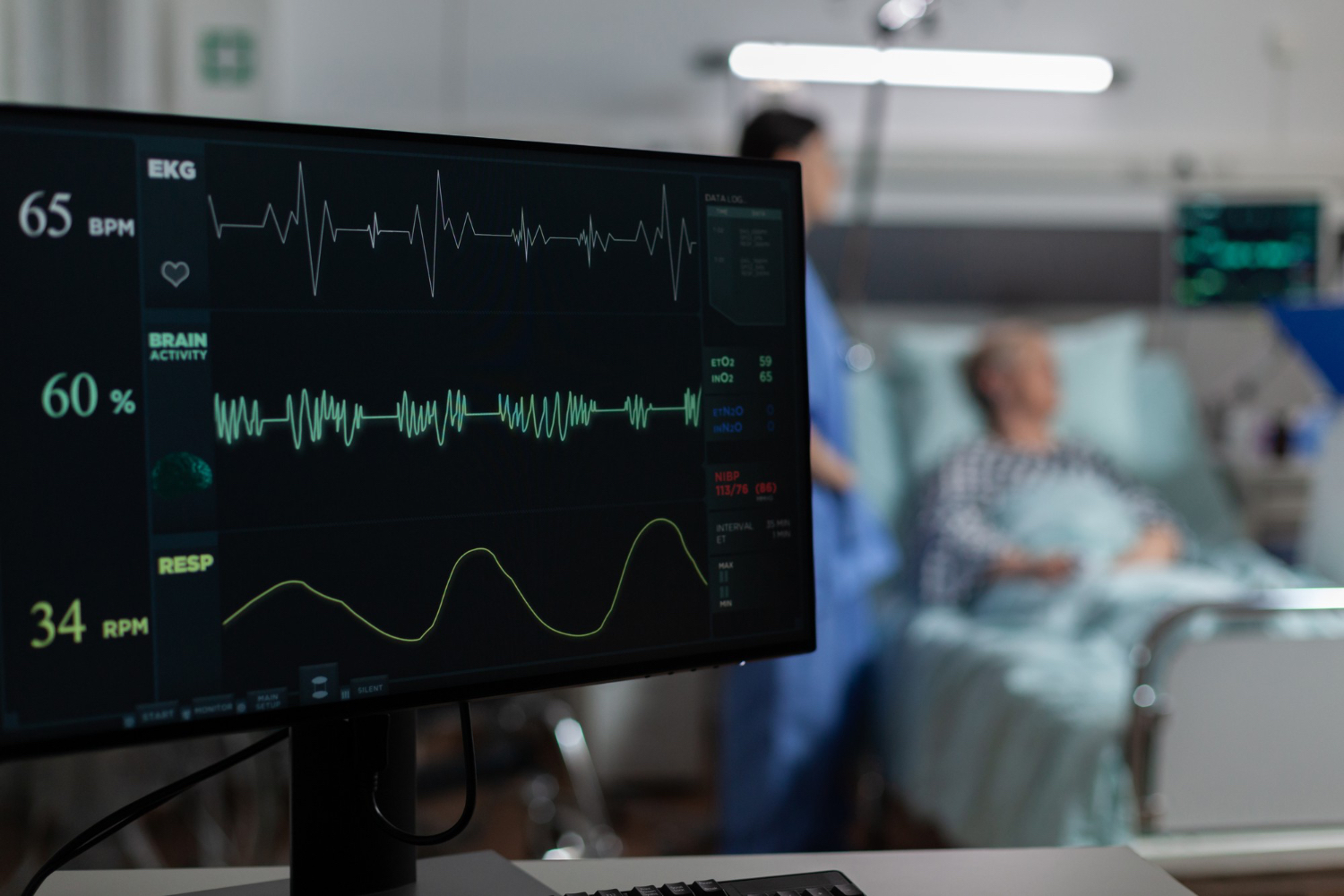
It’s 2 AM on a Tuesday night. A 42-year-old software engineer at a Hinjawadi tech firm experiences sudden chest pain. Within 15 minutes, he’s at Ruby Hall Clinic Hinjawadi’s emergency department. What happens next could determine whether he has a full recovery or permanent heart damage.
Twenty years ago, cardiac emergencies meant a race against time with limited information. Today, something remarkable is happening. Real-time data streaming from our advanced Cath Lab to the cloud is transforming how cardiologists make life-saving decisions.
This is the story of how technology is rewriting the future of emergency cardiac care.
The Traditional Bottleneck: Why Minutes Felt Like Hours
Before real-time cloud integration, emergency cardiac care followed this path:
- Patient arrives with chest pain
- Initial ECG performed (5-10 minutes)
- Reports reviewed by cardiologist (2-5 minutes)
- Patient moved to Cath Lab (5-10 minutes)
- Imaging performed (10-20 minutes)
- Diagnosis confirmed (5 minutes)
- Treatment initiated (5-10 minutes)
- Total time: 35-60 minutes
In acute coronary syndrome (heart attack), every minute costs lives. Studies show that for every 30-minute delay in treatment, mortality risk increases by 7-11%. The problem wasn’t lack of expertise—it was information moving slowly through separate systems.
The Cloud Revolution: Real-Time Data at Every Step
Ruby Hall Clinic Hinjawadi’s integration of cloud technology has fundamentally changed this equation. Here’s what real-time data streaming enables:
Instant Data Transmission
The moment imaging begins in our Cath Lab, high-resolution cardiac images stream to the cloud in real time. These aren’t just stored—they’re instantly accessible to:
- Cardiologists in the emergency department
- Cardiac surgeons in consultation
- Intensivists in the CCU (Cardiac Care Unit)
- Even specialist cardiologists at our main Pune facility if needed
Collaborative Decision-Making
Multiple specialists can view the same imaging data simultaneously. A cardiologist can consult with an interventional specialist while the patient is still on the table. Complex cases that might have needed transfer to another facility can now be managed locally because the expertise comes to the data—not the patient to the expertise.
Predictive Analytics
Cloud platforms now use AI algorithms to analyze cardiac imaging data in seconds. The system can:
- Identify blockage location and severity automatically
- Predict the likelihood of complications
- Recommend optimal intervention strategy
- Alert the team to high-risk features they might miss
Seamless Integration With Digital Health Records
The cardiac imaging data doesn’t exist in isolation. It streams directly into the patient’s complete digital health record—which includes:
- Past cardiac history and imaging
- Current medications
- Kidney function (critical for dye usage in angiography)
- Previous interventions and stent types
- Allergies and contraindications
This complete picture means cardiologists make decisions with full context, reducing errors and improving outcomes.
The Real-World Impact: A Case Study
Let’s return to our 42-year-old software engineer experiencing a heart attack.
- 10:02 PM – He arrives at Ruby Hall Hinjawadi Emergency
- 10:05 PM – ECG done. ST-elevation myocardial infarction (STEMI) confirmed. Cloud alert sent to the entire cardiac team.
- 10:08 PM – Patient in Cath Lab. Imaging begins streaming to the cloud.
- 10:12 PM – Real-time imaging shows the left anterior descending (LAD) artery completely blocked.
- 10:14 PM – AI analysis flags high thrombus burden. Cardiologist reviews recommendations.
- 10:16 PM – Angioplasty and stenting initiated. Data streams continue to the CCU team preparing intensive care.
- 10:28 PM – Stent successfully placed. Imaging confirms blood flow restored. The patient moved to CCU where all data is already available.
- 11:00 PM – Complete cardiac assessment already done because imaging, ECG, troponin levels, and recommendations are in the digital record.
Time from arrival to reperfusion: 26 minutes (vs. typical 45-60 minutes)
This 19-minute reduction may seem small. In cardiac emergencies, it’s the difference between a patient returning to normal life and suffering permanent heart damage.
Why Cloud Integration Matters for Hinjawadi’s IT Professionals
Young professionals in Hinjawadi face unique cardiac risks:
- Sedentary work (desk-bound for 8-10 hours daily)
- High stress and burnout
- Irregular sleep patterns (especially night-shift workers)
- Younger age = false sense of invincibility
- Limited regular health monitoring
Read: How Lifestyle Diseases Are Affecting Young Professionals in Pune
Real-time cardiac data streaming means that when these younger professionals experience cardiac events—which are increasingly common—they get treated faster with better outcomes.
The Technology Behind Real-Time Streaming
Advanced Cath Lab Imaging
Ruby Hall Hinjawadi operates state-of-the-art imaging systems:
- Bi-Plane fluoroscopy (the first in Pune): Captures images from two angles simultaneously, giving 3D-like imaging with minimal radiation
- Intravascular ultrasound (IVUS): Provides detailed images from inside blood vessels
- Optical coherence tomography (OCT): Ultra-high resolution imaging for precise stent placement
- Fractional flow reserve (FFR): Measures blood flow restriction to determine if lesions truly need intervention
All of this imaging data is generated in a digital format that can be instantly transmitted.
Cloud Infrastructure
The data travels through:
- Hospital-grade encrypted networks (HIPAA-compliant in spirit, if not in exact regulation—India uses similar standards)
- Redundant server systems ensuring zero downtime
- Edge computing that processes some data locally for faster analysis
- Backup systems that maintain functionality even if internet connectivity drops
Artificial Intelligence Analysis
Machine learning models trained on hundreds of thousands of cardiac cases can:
- Segment coronary arteries automatically
- Measure plaque burden
- Assess plaque composition (stable vs. vulnerable)
- Recommend stent sizes and types
- Predict procedural complications
This AI doesn’t replace cardiologists—it amplifies their expertise by doing the repetitive analysis instantly.
Beyond Emergency Care: Chronic Disease Management
Real-time cardiac data streaming isn’t just for emergencies. It’s transforming how we manage chronic cardiac conditions:
Post-Stent Surveillance
Patients who have received stents can return for follow-up angiography. Cloud-based comparison of old and new imaging allows cardiologists to track stent patency and detect in-stent restenosis (narrowing) within millimeters.
Heart Failure Monitoring
Advanced imaging including echocardiography streams to cloud platforms. Trends in ejection fraction, valve function, and fluid status can be tracked over months or years, allowing interventions before decompensation occurs.
Arrhythmia Management
Electrophysiology procedures generate complex mapping data. Cloud storage allows specialists to review procedures remotely and recommend adjustments to medication or device settings.
Privacy and Security: The Questions You Should Ask
Cloud integration raises legitimate concerns about data security. Here’s how Ruby Hall Clinic Hinjawadi addresses them:
Encryption Standards
All data in transit uses TLS 1.2 encryption (military-grade). Data at rest uses AES-256 encryption. Even if someone intercepted the data, it would be unreadable without the encryption key.
Access Control
Not every staff member can see every patient’s data. Role-based access means:
- Cardiologists see cardiac data
- Emergency physicians see triage information
- Administrative staff see billing data only
- Every access is logged with timestamp and staff ID
Audit Trails
The system records exactly who viewed what data and when. Unusual access patterns (like a billing staff member viewing cardiac imaging) trigger automatic alerts.
Compliance Standards
Ruby Hall Clinic Hinjawadi maintains:
- NABH (National Accreditation Board for Hospitals & Healthcare Providers) certification
- ISO 27001 standards for information security
- Compliance with India’s Digital Personal Data Protection Act
The Future: Predictive Cardiac Care
Real-time data streaming is just the beginning. The next frontier is predictive cardiology:
Risk Stratification
By continuously analyzing cardiac data from thousands of patients, cloud AI can identify patterns that predict who will have events. A 45-year-old with specific imaging patterns, blood pressure trends, and exercise response might be identified as high-risk for a heart attack in the next 2 years—allowing aggressive preventive intervention.
Personalized Medicine
Treatment recommendations increasingly won’t be one-size-fits-all. Cloud analysis of a patient’s genetic data, imaging findings, medication response, and lifestyle factors can recommend which stent type, which blood thinner, and which follow-up schedule is optimal for that specific patient.
Remote Monitoring
Wearable devices (smartwatches, patches) already measure heart rate, rhythm, and activity. Cloud integration of wearable data with clinical imaging and lab data creates a comprehensive picture of cardiac health.
Key Advantages of Real-Time Cardiac Data Streaming at Ruby Hall Hinjawadi
- Speed: Treatment decisions in minutes, not hours
- Accuracy: AI-assisted analysis reduces human error
- Collaboration: Multiple specialists available simultaneously
- Continuity: Complete health history accessible instantly
- Learning: Each case improves the system for future patients
- Accessibility: Specialists from main facility can assist without patient transfer
- Safety: Redundancy means system failures don’t compromise patient safety
What This Means for You
If you experience chest pain or cardiac symptoms in Hinjawadi, you’re within minutes of a hospital that has:
- Advanced imaging technology that generates real-time data
- Cardiologists trained to interpret complex cases instantly
- Cloud infrastructure that brings multiple experts together
- AI assistance that catches details humans might miss
- Complete digital records that provide full context
The chances of getting treated fast, accurately, and safely have never been better.
When to Seek Emergency Cardiac Care
Call 1800-210-4949 immediately if you experience:
- Chest pain or pressure
- Shortness of breath
- Pain radiating to arm, jaw, or back
- Sudden dizziness or fainting
- Palpitations (feeling your heart race or skip)
- Cold sweat or nausea without obvious cause
Don’t wait. Even if symptoms seem mild, get checked. The cloud systems are ready to help.
Book Your Cardiac Consultation Today
Whether you’re experiencing symptoms or want preventive cardiac evaluation, Ruby Hall Clinic Hinjawadi offers:
- Tele-Consultation for initial assessments
- Health Check Packages with cardiac screening
- Cardiology Specialists for detailed evaluation
Phone: 020-66999999 Emergency: 1800-210-4949 (Toll Free)