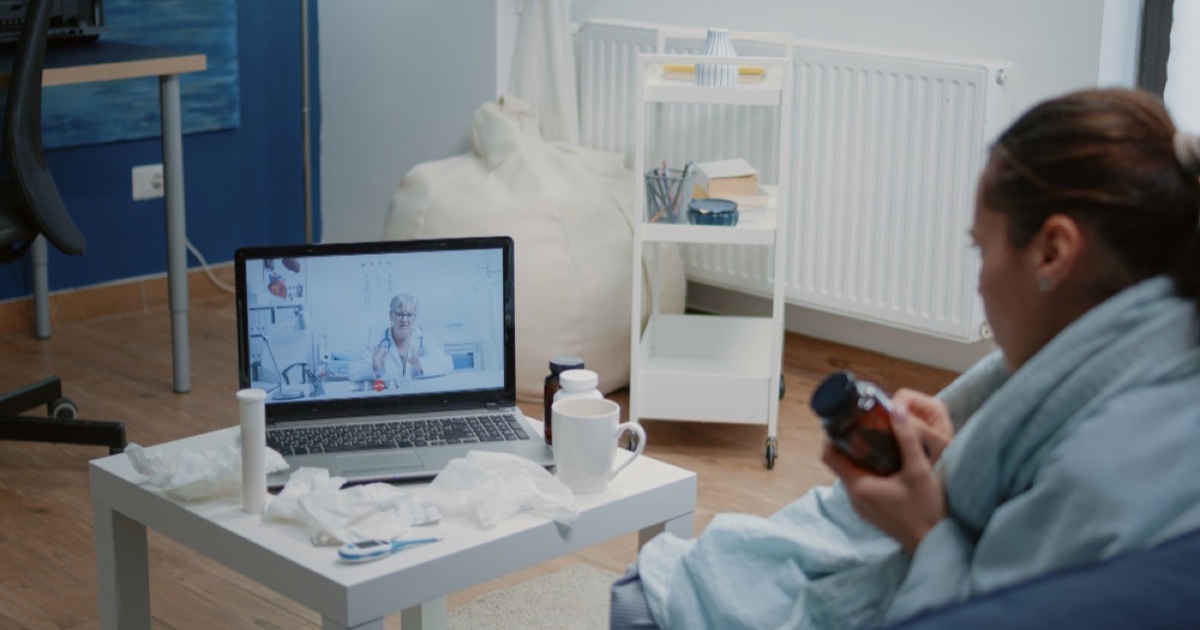
Discharge is a milestone, but the first weeks at home carry real risk. A rise in blood pressure, falling urine output, a wound infection or a medicine side effect can go unnoticed until it becomes an emergency.
Remote patient monitoring (RPM) closes that gap. Connected devices and digital records track key health signals at home, and the care team steps in early.
What RPM Involves
-
Home measurements such as blood pressure, weight, pulse, oxygen levels or blood glucose, taken with validated devices
-
Symptom check-ins through a short app questionnaire
-
Review and alerts, where a nurse or doctor checks readings against agreed thresholds and calls you if needed
RPM is not emergency care. Call for help straight away for chest pain, severe breathlessness, fainting, or sudden weakness or speech problems.
Who Benefits Most
-
Patients with heart failure, high blood pressure or atrial fibrillation after a cardiac procedure
-
Chronic kidney disease or dialysis patients, where fluid and blood pressure need close management
-
People with diabetes who need frequent medicine adjustments
-
Recovery after knee or hip replacement, where mobility and wound checks matter
-
Older adults living alone
What the Evidence Says
RPM is not a guaranteed fix for readmissions. In heart failure, it has the strongest evidence, especially when daily weight and symptom tracking lead to prompt treatment changes. A 2026 randomised trial (ACCOMPLISH, JAMA Network Open) found no reduction in readmissions after sepsis or lower respiratory infections, and more readmissions in patients aged 65 and above. The lesson: RPM works when the right patients are chosen and someone acts on the alerts.
How Ruby Hall Hinjawadi Supports Your Transition Home
-
Digital health records: discharge summaries, prescriptions and reports in one place. Read more
-
Mobile app: reports and appointments on your phone. Get it on Google Play
-
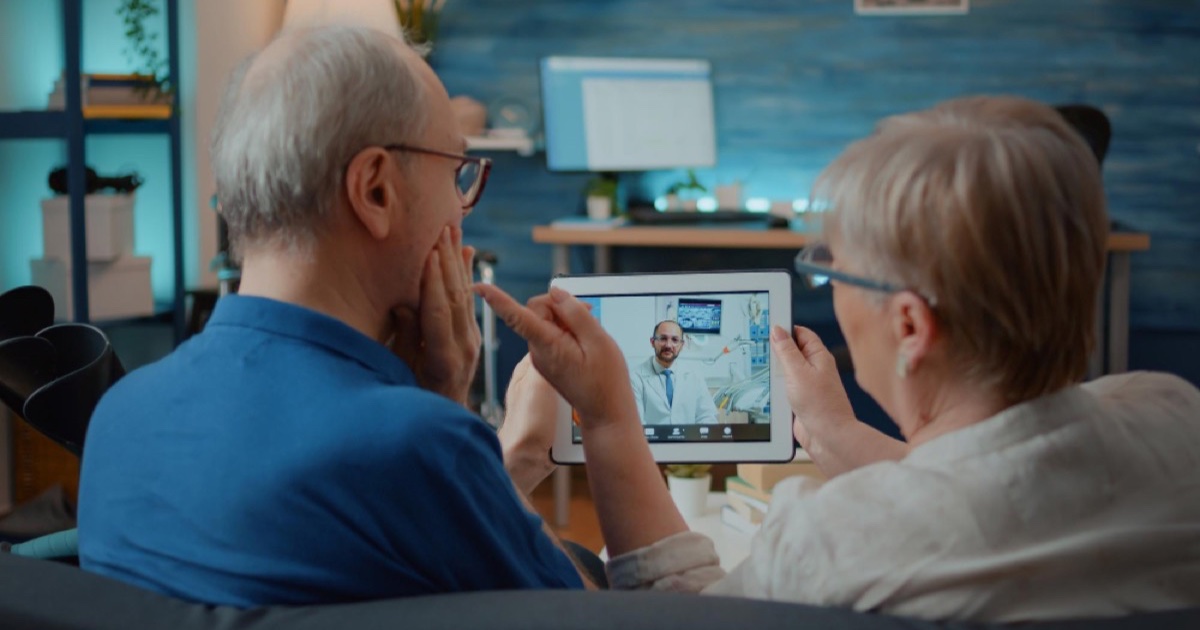
Tele-consultation: video follow-ups for stable patients. Details
-
Home care and rehabilitation: Home care and Rehabilitation centre
Ask Before You Leave Hospital
-
Which readings should I check at home, how often, and what values are dangerous?
-
Who do I call if a reading is abnormal, including out of hours?
-
Which symptoms mean I call an ambulance straight away?
-
When is my next review, and is it in person or by video?
-
Which medicines changed?
Keep a simple home log of readings and symptoms, and bring it to every follow-up.
Watch for These at Home
New confusion or drowsiness, breathlessness when lying flat, new leg swelling, fever or wound discharge, reduced eating or drinking, and falls. When in doubt, call. A false alarm is far better than a delay.
Book Your Follow-Up
For discharge or follow-up questions, call 020-66999999 or book an appointment. For emergencies, call 1800-210-4949.