Stroke is a brain emergency. Blood flow to part of the brain is cut off or a vessel bursts, and brain cells start dying within minutes. The World Stroke Organization estimates that one in four people will have a stroke in their lifetime. This World Stroke Day (29 October), the campaign theme is “Every Minute Counts.”
Know the Signs: BE-FAST
If any of these appear suddenly, call an ambulance immediately:
-
B: Balance. Sudden loss of balance or trouble walking
-
E: Eyes. Sudden blurred vision or vision loss in one or both eyes
-
F: Face. One side droops or the smile looks uneven
-
A: Arms. One arm is weak or drifts down when both are raised
-
S: Speech. Slurred speech or trouble understanding simple sentences
-
T: Time. Note when symptoms began. Treatment decisions depend on it
Symptoms that come and go are still a warning and need same-day evaluation.
Why the Window Matters
Clot-busting medicine (thrombolysis) is the standard early treatment for the most common type of stroke. It works best within 4.5 hours of onset, and sooner is better. For some large-vessel blockages, a catheter procedure called thrombectomy can help in selected patients up to about 24 hours after onset.
Delays usually happen before the hospital: families wait to see if symptoms improve. Calling early gives the team more options.
How Tele-Stroke Care Helps
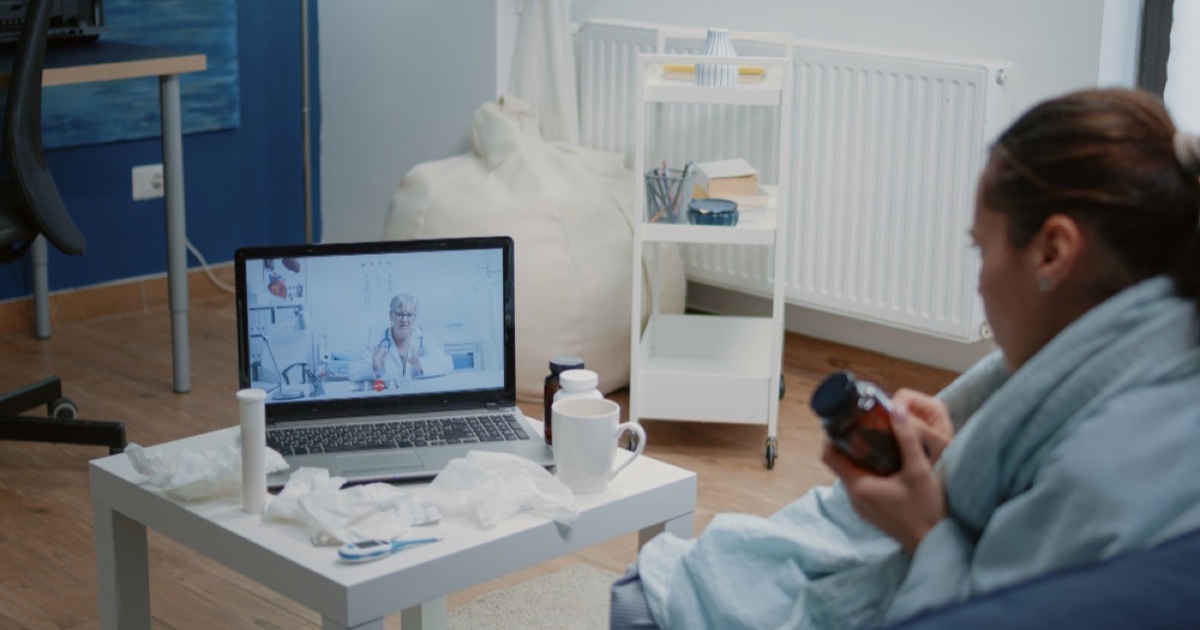
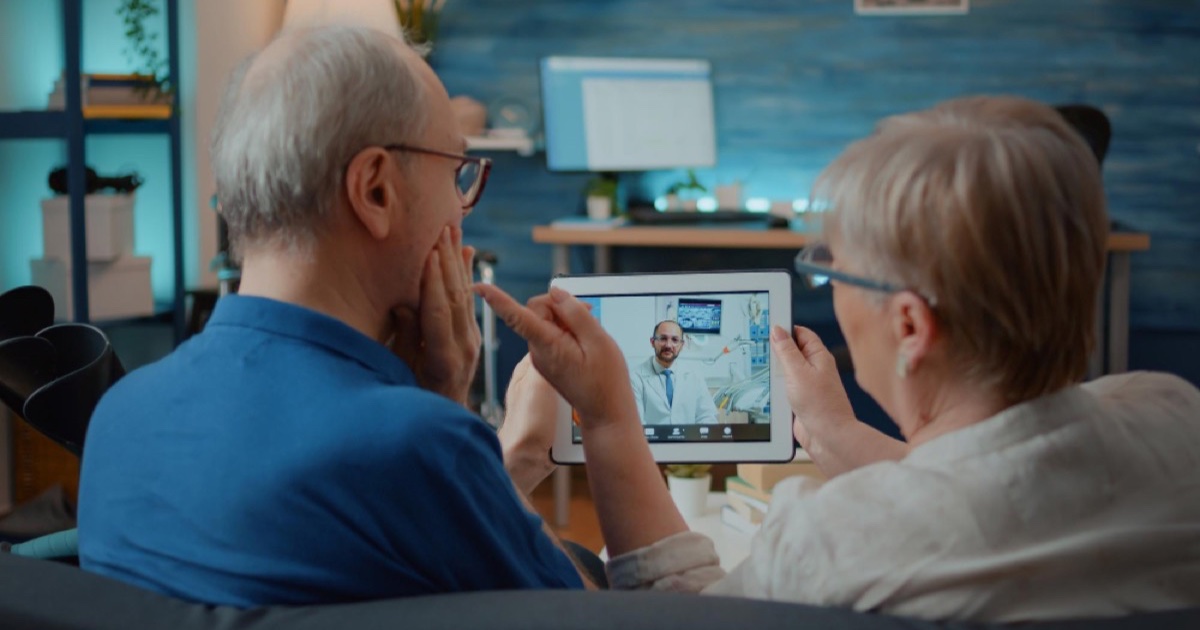
Not every hospital has a stroke neurologist on site at all hours. Tele-stroke care links the emergency team with a neurologist who reviews the examination and brain scan remotely, so clot-busting decisions can be made faster with specialist input. Indian hub-and-spoke programmes in states such as Himachal Pradesh and West Bengal report encouraging results, though most evidence so far is observational. Tele-stroke supports a well-run emergency pathway; it does not replace one.
What Happens in the Emergency Department
Expect a rapid blood sugar check, a standard neurological examination, an urgent CT brain scan to rule out bleeding, specialist review (in person or by tele-consultation), and a decision on treatment. Bring the time symptoms started, a list of medicines (especially blood thinners), and known conditions. Do not give food, drink or medicine by mouth unless the team advises.
Reduce Your Risk
-
Blood pressure: the biggest controllable risk. Check it monthly and take prescribed medicines.
-
Atrial fibrillation: ask about screening if you have palpitations.
-
Diabetes and cholesterol: control through diet, activity and medicines.
-
Smoking and heavy alcohol: stopping smoking cuts risk significantly over time.
-
Desk-work habits: stand and walk for a few minutes each hour, and keep a regular sleep schedule.
Recovery Starts Early
Rehabilitation begins in hospital, with physiotherapy, speech therapy and occupational therapy. Ruby Hall’s rehabilitation centre supports patients after acute care.
Act Fast
If you see any BE-FAST sign, call 1800-210-4949 (toll free ambulance and emergency) or 020-66999999 for the hospital. For ongoing brain and nerve care, see Neurology at Ruby Hall Hinjawadi.