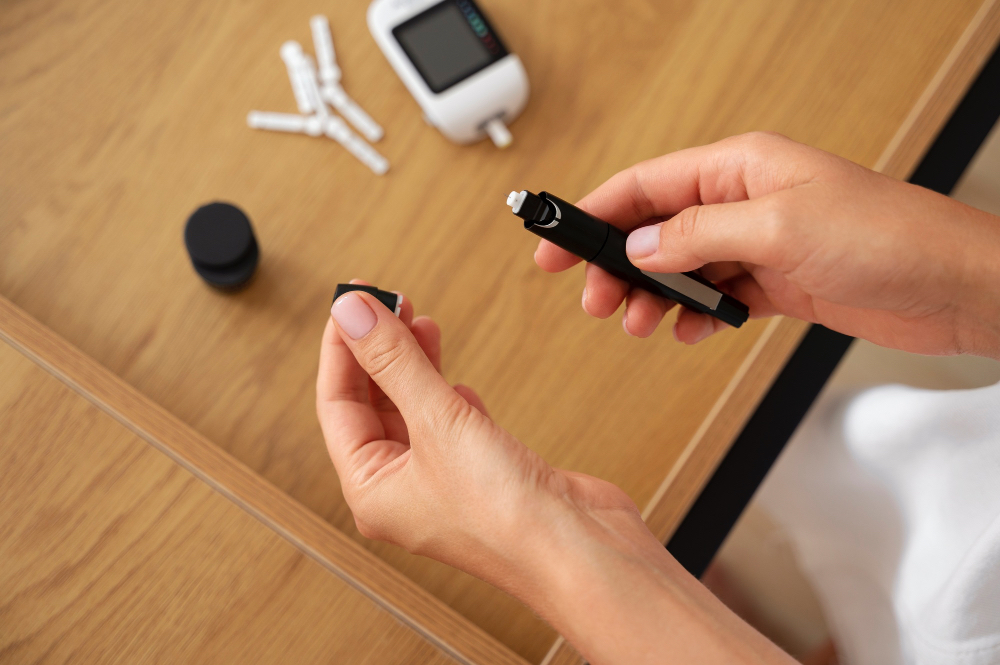
For decades, people believed that type 2 diabetes was a lifelong disease that could only be controlled, not reversed. However, recent scientific evidence has changed this understanding. Today, research shows that in selected individuals, type 2 diabetes can go into remission — often referred to as “diabetes reversal.”
But what does this really mean? And is it possible for everyone?
What Is Diabetes Reversal?
Doctors now prefer the term “diabetes remission” rather than cure. Remission means blood sugar levels return to normal or near-normal levels without the need for diabetes medications for at least three months.
It does not mean the disease has disappeared permanently. If weight is regained or lifestyle measures are not maintained, high blood sugar can return.
The Science Behind Remission
Several major studies have shown that significant weight loss can reverse early type 2 diabetes.
One of the most important trials, conducted in the United Kingdom (the DiRECT study), demonstrated that nearly 46% of participants achieved diabetes remission after losing around 10–15 kilograms through a structured low-calorie diet program. Those who lost more than 15 kg had remission rates above 80%.
Similarly, bariatric (metabolic) surgery has shown even higher remission rates, especially in individuals with severe obesity. In many cases, blood sugar levels normalize within weeks after surgery, even before major weight loss occurs.
Newer medications such as GLP-1 receptor agonists and dual incretin therapies also support substantial weight reduction and improved insulin sensitivity, increasing the possibility of remission when combined with lifestyle changes.

How Does Weight Loss Reverse Diabetes?
Type 2 diabetes is strongly linked to excess fat accumulation in the liver and pancreas. When significant weight loss occurs:
- Liver fat decreases
- Insulin resistance improves
- Pancreatic beta-cell function partially recovers
This allows the body to produce and use insulin more effectively, restoring near-normal blood glucose levels — particularly in the early years after diagnosis.
Who Has the Best Chance of Reversal?
Evidence suggests remission is more likely in people who:
- Have had diabetes for a shorter duration (usually less than 6 years)
- Are overweight or obese
- Still have preserved insulin-producing capacity
- Achieve substantial and sustained weight loss
It becomes more difficult in long-standing diabetes where pancreatic function has significantly declined.
Important Clarifications
Reversal does not mean patients can return to unhealthy habits.
Regular monitoring remains essential.
Lifestyle change is the cornerstone — no medication alone can permanently reverse diabetes without weight management.
Not every patient will achieve remission, and that is not a failure.
A Message of Hope — With Realism
The idea that type 2 diabetes can be reversed offers hope to millions. However, it requires structured guidance, medical supervision, and long-term commitment. Quick-fix diets or unscientific claims on social media should be avoided.
With early diagnosis, proper lifestyle intervention, appropriate medical therapy, and in selected cases metabolic surgery, remission is achievable for many — but prevention remains the best strategy.
Type 2 diabetes is not merely a sugar problem; it is a metabolic disease driven largely by excess weight and lifestyle patterns. The earlier we act, the better the outcomes.
MBBS, MD, DM (Endocrinology)
MRCP SCE Endocrinology and Diabetes (UK)
Consultant Endocrinologist and Diabetologist