
Pregnancy is one of the most important phases in a woman’s life. During this period, the body undergoes major hormonal changes to support the growing baby. However, these changes can sometimes unmask or worsen conditions like diabetes and thyroid disorders. If left undetected or poorly controlled, both conditions can pose serious risks to the mother as well as the baby.
Diabetes in Pregnancy: A Growing Concern
India has one of the highest numbers of people with diabetes, and this concern extends to pregnancy as well. Some women enter pregnancy with pre-existing diabetes, while others develop gestational diabetes, a condition in which blood sugar levels rise during pregnancy.High blood sugar, especially in early pregnancy, can have serious consequences. Poorly controlled diabetes increases the risk of:
-
Congenital malformations (birth defects), particularly involving the heart and nervous system
-
Early pregnancy loss (miscarriage)
-
Large baby (macrosomia) leading to difficult delivery
-
Premature birth
-
Stillbirth in severe uncontrolled cases
-
Low blood sugar in the newborn
-
Increased future risk of diabetes for both mother and child
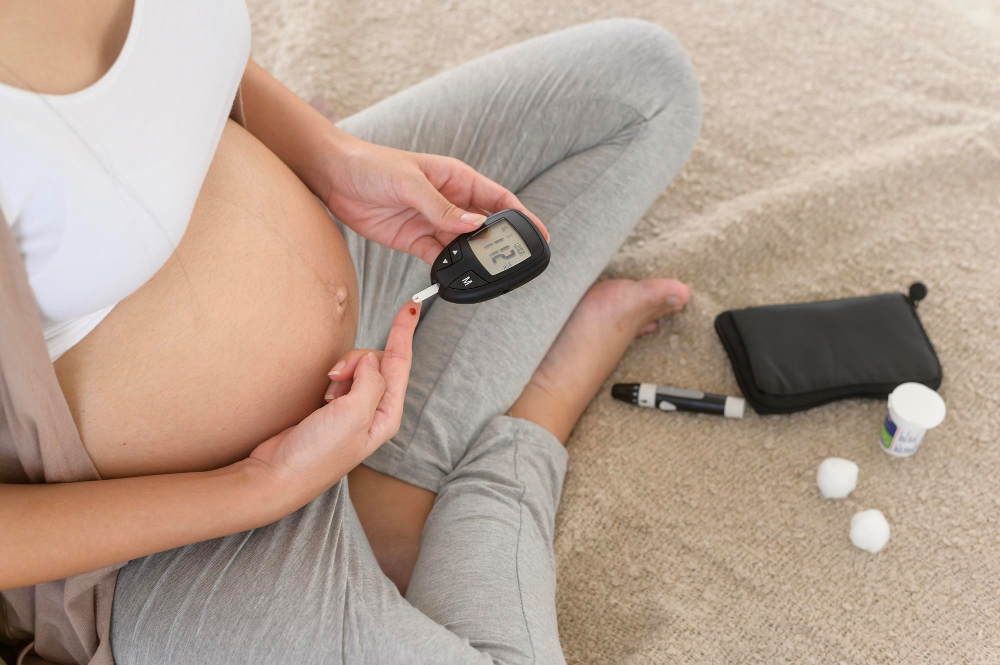 It is important to note that the risk of congenital malformations is highest when blood sugar levels are poorly controlled during the first trimester, when the baby’s organs are forming. Therefore, women with known diabetes should ideally plan pregnancy and achieve good sugar control before conception.
Screening for gestational diabetes is usually done between 24–28 weeks of pregnancy. With timely diagnosis and proper management through diet, exercise, and insulin when required, most women can have safe and healthy outcomes.
Thyroid Disorders in Pregnancy: Often Silent but Serious
Thyroid hormones are essential for the baby’s brain and organ development, especially in the first trimester. Hypothyroidism (low thyroid levels) is relatively common among Indian women and may not cause obvious symptoms.
If untreated, thyroid disorders can increase the risk of:
-
Miscarriage and recurrent pregnancy loss
-
Preterm delivery
-
High blood pressure in pregnancy
-
Anemia
-
Impaired brain development in the baby
-
Low birth weight
Simple blood tests such as TSH can detect thyroid dysfunction early. Treatment with thyroid hormone replacement is safe during pregnancy and significantly reduces these risks.
The Importance of Early Screening and Planning
Both diabetes and thyroid disorders may remain silent in early pregnancy. Therefore: Women with known diabetes or thyroid disease should seek pre-pregnancy counseling.
Thyroid testing is recommended early in pregnancy, especially in high-risk women.
Blood sugar screening during pregnancy is essential for all women.
Metabolic health is just as important as routine ultrasound scans. With early detection, careful monitoring, and proper treatment, the risks of congenital malformations, pregnancy loss, and other complications can be significantly reduced.
Awareness, planning, and regular follow-up can ensure a safe pregnancy and a healthy baby.
MBBS, MD, DM (Endocrinology)
MRCP SCE Endocrinology and Diabetes (UK)
Consultant Endocrinologist and Diabetologist