Knee pain is one of the most common reasons adults in Pune visit an orthopaedic specialist. For many, years of managing pain with medication, physiotherapy and lifestyle modifications eventually lead to a crossroads: is it time for knee replacement surgery?
If your orthopaedic surgeon has recommended a knee replacement, or if you are simply wondering whether you are a candidate, this guide answers the questions most patients ask at Ruby Hall Clinic Hinjawadi’s Orthopaedics & Joint Replacement Department.
What Is Knee Replacement Surgery?
Knee replacement (total or partial knee arthroplasty) is a surgical procedure in which the damaged surfaces of the knee joint are replaced with an artificial implant made of metal alloys and high-grade polyethylene. The goal is to relieve pain, restore function and allow patients to return to daily activities without discomfort.
It is one of the most commonly performed orthopaedic surgeries worldwide, with a high success rate and excellent long-term outcomes when performed by experienced surgeons.
Who Needs Knee Replacement Surgery?
Knee replacement is typically recommended when:
- Severe osteoarthritis has destroyed the knee joint cartilage, causing bone-on-bone contact
- Pain significantly limits daily activities — walking, climbing stairs, getting up from a chair
- Pain is present at rest or interferes with sleep
- Conservative treatments — medication, physiotherapy, injections — have failed to provide adequate relief
- X-rays show significant joint space narrowing or deformity
- Rheumatoid arthritis or post-traumatic arthritis has caused irreversible joint damage
Types of Knee Replacement
- Total Knee Replacement (TKR) — the entire knee joint surface is replaced. Most commonly performed.
- Partial (Unicompartmental) Knee Replacement — only the most damaged compartment is replaced. Suitable for isolated medial or lateral compartment disease. Smaller incision, faster recovery.
- Bilateral Knee Replacement — both knees replaced simultaneously or in staged procedures.
- Revision Knee Replacement — replacement of a failed previous knee implant.
Before Surgery — What to Expect
Your orthopaedic surgeon will conduct a thorough pre-operative evaluation including:
- X-rays and MRI to assess joint damage and plan the implant size
- Blood tests, ECG and cardiac clearance (particularly for older patients)
- Pre-anaesthesia assessment by our Anaesthesia team
- Physiotherapy consultation — pre-operative exercises strengthen the muscles around the knee and speed post-operative recovery
- Medication review — blood thinners, anti-inflammatory drugs and diabetic medications are typically adjusted before surgery
The Surgery — What Happens
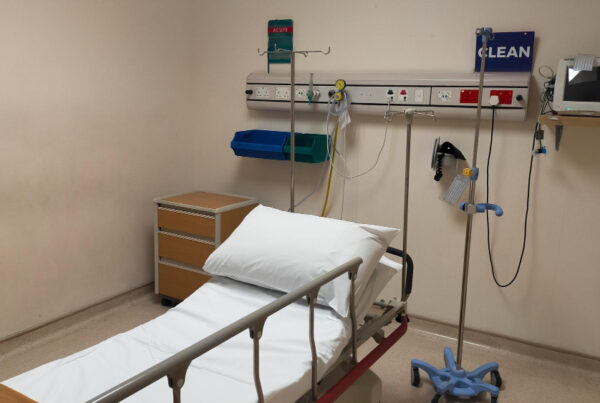
Knee replacement surgery is performed under spinal or general anaesthesia and typically takes 1.5 to 2 hours. The damaged bone and cartilage are removed and the implant components are fixed to the bone using cement or press-fit techniques. A drain may be placed for the first 24 hours post-surgery.
Most patients are transferred to the ward the same day and begin physiotherapy the day after surgery.
Recovery After Knee Replacement
Hospital Stay
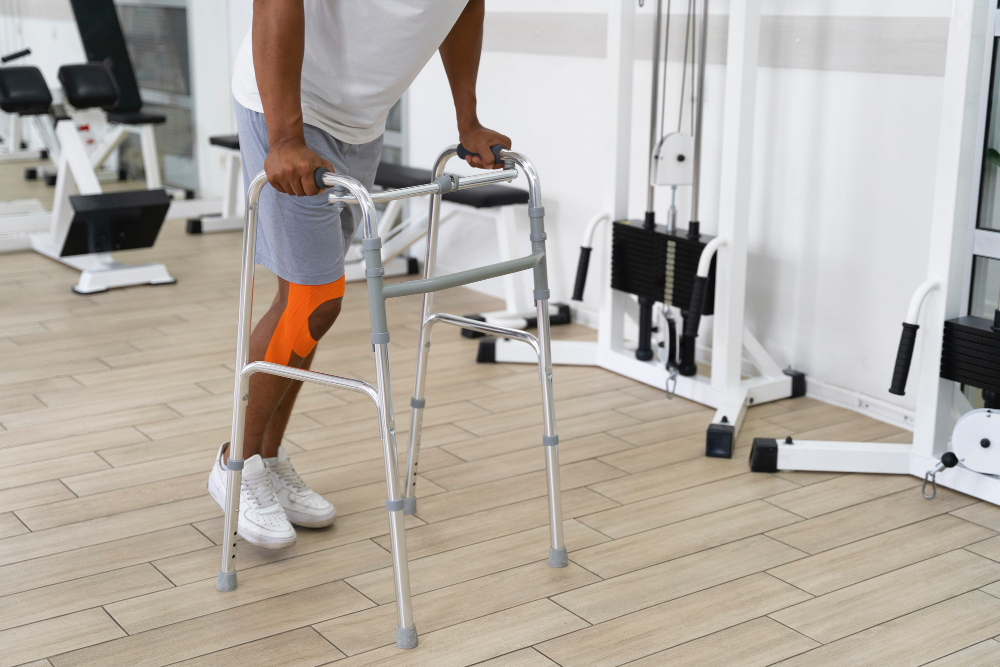
Typically 3 to 5 days. Physiotherapy begins the next day, and most patients are walking with a frame within 24 hours of surgery.
First 6 Weeks
Walking with a frame or crutches. Physiotherapy exercises for range of motion and strength. Wound care and swelling management. Driving is usually not recommended during this period.
6 Weeks to 3 Months
Transition to walking without aids for most patients. Return to office work and light activities. Continued physiotherapy through our Physiotherapy Department is essential for optimal recovery.
3 to 6 Months
Most patients return to normal daily activities including climbing stairs, cooking, gentle walking and social activities. Swelling continues to reduce gradually.
12 Months and Beyond
Full recovery and maximum benefit from the implant. Modern knee implants last 15–20 years with proper care.
What Activities Can You Do After Knee Replacement?
Most patients can comfortably return to walking, swimming, cycling, light gardening and social activities. High-impact activities such as running or jumping are generally discouraged to protect implant longevity. Your surgeon will advise you based on your age, weight and implant type.
Risks and Complications
Knee replacement is a major surgery and carries standard surgical risks including infection, blood clots (DVT), implant loosening and stiffness. At Ruby Hall Clinic Hinjawadi, our protocols include antibiotic prophylaxis, blood clot prevention (anticoagulants and compression devices) and rigorous physiotherapy to minimise these risks.
Is It Time for You?
If knee pain is limiting your quality of life and conservative management is no longer working, a consultation with our orthopaedic surgeon will help you understand whether knee replacement is the right option for you.
Book an orthopaedic consultation at Ruby Hall Clinic Hinjawadi today. Call 1800-210-4949.
Early detection. Expert care.